Buy bowl.eu ?
We are moving the project
bowl.eu .
Are you interested in purchasing the domain
bowl.eu ?
domain@kv-gmbh.de · 0541-91531010
Buy bowl.eu ?
What is reactivity?
Reactivity refers to how likely a substance is to undergo a chemical reaction. Highly reactive substances are more likely to react with other substances, while less reactive substances are more stable and less likely to undergo reactions. Reactivity is influenced by factors such as the arrangement of electrons in an atom or molecule, the presence of functional groups, and the chemical environment in which the substance is placed. Understanding the reactivity of a substance is important in predicting its behavior in various chemical reactions. **
Are the reaction equations in the metal reactivity series correct?
The reaction equations in the metal reactivity series are correct in the sense that they accurately represent the relative reactivity of different metals. The series is based on the ability of metals to displace one another from their compounds. However, it's important to note that the reactivity of metals can be influenced by various factors such as temperature, concentration of the reacting substances, and the presence of catalysts. Therefore, while the reaction equations in the metal reactivity series provide a general understanding of metal reactivity, they may not always accurately predict the outcome of specific reactions in all conditions. **


Similar search terms for Reactivity
Top-Angebote
Products related to Reactivity:
-
Multicon Wholesale Hub Diamond Hole Saw Set For Glass, Ceramic Tile And Porcelain diamond Hole Saw Set For Glass, Ceramic Tile And PorcelainTake on delicate drilling jobs with more control and less worry. This 10piece glass tile drill bits set is made for DIYers, installers, and repair pros who need smooth holes in tough, brittle materials. Designed for glass, ceramic, marble, granite,...53,97 $*Shipping: 0,00 $Secure redirect to the provider
-
Drop Dash Deals Diamond Hole Saw Set For Glass Ceramic Tile And Porcelain Diamond Hole Saw Set For Glass Ceramic Tile And PorcelainTake on delicate drilling jobs with more confidence and less cracking. This 10 pc of set diamond hole saw set is made for DIYers, installers, and repair pros who need clean holes in glass, tile, porcelain, and stone. With 10 useful sizes, it helps...44,97 $*Shipping: 0,00 $Secure redirect to the provider
-
BarberPub Backwash Shampoo Station Chair with Adjustable Porcelain Ceramic Hair Wash BowlItem Description: This classic and deluxe shampoo backwash unit station would be a perfect addition for Barbershop, Beauty Salons, Tattoo Parlors and more.Textured PVC leather with highly elasticity sponge provides great comfort.791,19 $*Shipping: 0,00 $Secure redirect to the provider
-
Inspired Finds 8in Tile Nippers Mosaic Cutter Pliers For Ceramic Porcelain And Glass Tile 8in Tile Nippers Mosaic Cutter Pliers For Ceramic Porcelain And Glass TileAchieve clean, controlled tile shaping with durable tile nippers designed for detailed cutting work. This hand tool allows you to trim, shape, and adjust tiles with precision where fullsize cutters cannot reach. Built for strength and control, it...34,99 $*Shipping: 0,00 $Secure redirect to the provider


-
What is reactivity in elimination?
Reactivity in elimination refers to the relative ease with which a particular substrate undergoes elimination reaction. Substrates with more reactive leaving groups or more substituted carbons are generally more reactive in elimination reactions. Reactivity can also be influenced by the nature of the base or catalyst used in the elimination reaction. Understanding the reactivity of a substrate is important for predicting and controlling the outcome of elimination reactions. **
-
What is reactivity in chemistry?
Reactivity in chemistry refers to the tendency of a substance to undergo chemical reactions with other substances. This can be influenced by factors such as the arrangement of electrons in the atoms, the presence of functional groups, and the stability of the resulting products. Highly reactive substances are more likely to participate in chemical reactions, while less reactive substances are more stable and less likely to undergo reactions. Understanding reactivity is important in predicting how substances will behave in various chemical processes and reactions. **
-
Why do alkenes and alkynes have a high reactivity? Why is the reactivity of alkenes greater than that of alkanes and the reactivity of alkynes the greatest?
Alkenes and alkynes have high reactivity due to the presence of pi bonds, which are more easily broken than the sigma bonds found in alkanes. The pi bonds in alkenes and alkynes are more exposed and less stable, making them more susceptible to reactions. The reactivity of alkenes is greater than that of alkanes because they have one or more pi bonds, which provide more opportunities for chemical reactions. Similarly, alkynes have the greatest reactivity because they have two pi bonds, making them even more susceptible to reactions than alkenes. **
-
What is the reactivity of alkenes and alkynes?
Alkenes and alkynes are more reactive than alkanes due to the presence of pi bonds in their structures. The pi bonds allow for the addition of atoms or groups to the carbon-carbon double or triple bond, making them susceptible to various types of reactions such as addition reactions. Alkynes are generally more reactive than alkenes due to the presence of a triple bond, which provides more opportunities for reactions to occur. Overall, the reactivity of alkenes and alkynes makes them important building blocks in organic chemistry for synthesizing a wide range of compounds. **

What is the reactivity of the main groups?
The reactivity of the main groups in the periodic table varies depending on the specific group. Generally, the alkali metals in Group 1 are highly reactive, readily forming ionic compounds with nonmetals. The alkaline earth metals in Group 2 are also reactive, but less so than the alkali metals. The halogens in Group 17 are highly reactive nonmetals, readily forming compounds with metals. The noble gases in Group 18 are generally unreactive due to their full outer electron shells. Overall, reactivity tends to increase going down a group and decrease going across a period from left to right. **
What is the reactivity of alkanes and alkenes?
Alkanes are relatively unreactive due to the presence of only single bonds between carbon atoms, which makes them stable and inert under most conditions. On the other hand, alkenes are more reactive than alkanes due to the presence of a double bond, which can undergo addition reactions with various reagents. This double bond provides alkenes with the ability to participate in a wide range of chemical reactions, making them more versatile in organic synthesis compared to alkanes. **
Top-Angebote
Products related to Reactivity:
-
Multicon Wholesale Hub Diamond Hole Saw For Glass Ceramic Tile And Porcelain Diamond Hole Saw For Glass Ceramic Tile And PorcelainTackle delicate drilling jobs with more control and less stress. This diamond hole saw set is made for DIYers, installers, and repair pros who need clean openings in glass, ceramic, and tough tile surfaces. With a practical 632mm size range and...74,97 $*Shipping: 0,00 $Secure redirect to the provider
-
Value Selection 2 Piece Ceramic Mixing Bowl Set With Nesting Design And Porcelain Enamel Finish 2 Piece Ceramic Mixing Bowl Set With Nesting Design And Porcelain Enamel FinishThis ceramic mixing bowl set includes two nestable bowls designed for mixing, prepping, serving, and sharing food. Higher sides help contain ingredients while whisking and stirring, while the nesting design supports more compact storage. The...219,97 $*Shipping: 0,00 $Secure redirect to the provider
-
Multicon Wholesale Hub Diamond Hole Saw Set For Glass, Ceramic Tile And Porcelain diamond Hole Saw Set For Glass, Ceramic Tile And PorcelainTake on delicate drilling jobs with more control and less worry. This 10piece glass tile drill bits set is made for DIYers, installers, and repair pros who need smooth holes in tough, brittle materials. Designed for glass, ceramic, marble, granite,...53,97 $*Shipping: 0,00 $Secure redirect to the provider
-
Drop Dash Deals Diamond Hole Saw Set For Glass Ceramic Tile And Porcelain Diamond Hole Saw Set For Glass Ceramic Tile And PorcelainTake on delicate drilling jobs with more confidence and less cracking. This 10 pc of set diamond hole saw set is made for DIYers, installers, and repair pros who need clean holes in glass, tile, porcelain, and stone. With 10 useful sizes, it helps...44,97 $*Shipping: 0,00 $Secure redirect to the provider
-
What is reactivity?
Reactivity refers to how likely a substance is to undergo a chemical reaction. Highly reactive substances are more likely to react with other substances, while less reactive substances are more stable and less likely to undergo reactions. Reactivity is influenced by factors such as the arrangement of electrons in an atom or molecule, the presence of functional groups, and the chemical environment in which the substance is placed. Understanding the reactivity of a substance is important in predicting its behavior in various chemical reactions. **
-
Are the reaction equations in the metal reactivity series correct?
The reaction equations in the metal reactivity series are correct in the sense that they accurately represent the relative reactivity of different metals. The series is based on the ability of metals to displace one another from their compounds. However, it's important to note that the reactivity of metals can be influenced by various factors such as temperature, concentration of the reacting substances, and the presence of catalysts. Therefore, while the reaction equations in the metal reactivity series provide a general understanding of metal reactivity, they may not always accurately predict the outcome of specific reactions in all conditions. **
-
What is reactivity in elimination?
Reactivity in elimination refers to the relative ease with which a particular substrate undergoes elimination reaction. Substrates with more reactive leaving groups or more substituted carbons are generally more reactive in elimination reactions. Reactivity can also be influenced by the nature of the base or catalyst used in the elimination reaction. Understanding the reactivity of a substrate is important for predicting and controlling the outcome of elimination reactions. **
-
What is reactivity in chemistry?
Reactivity in chemistry refers to the tendency of a substance to undergo chemical reactions with other substances. This can be influenced by factors such as the arrangement of electrons in the atoms, the presence of functional groups, and the stability of the resulting products. Highly reactive substances are more likely to participate in chemical reactions, while less reactive substances are more stable and less likely to undergo reactions. Understanding reactivity is important in predicting how substances will behave in various chemical processes and reactions. **
Similar search terms for Reactivity
-
BarberPub Backwash Shampoo Station Chair with Adjustable Porcelain Ceramic Hair Wash BowlItem Description: This classic and deluxe shampoo backwash unit station would be a perfect addition for Barbershop, Beauty Salons, Tattoo Parlors and more.Textured PVC leather with highly elasticity sponge provides great comfort.791,19 $*Shipping: 0,00 $Secure redirect to the provider
-
Inspired Finds 8in Tile Nippers Mosaic Cutter Pliers For Ceramic Porcelain And Glass Tile 8in Tile Nippers Mosaic Cutter Pliers For Ceramic Porcelain And Glass TileAchieve clean, controlled tile shaping with durable tile nippers designed for detailed cutting work. This hand tool allows you to trim, shape, and adjust tiles with precision where fullsize cutters cannot reach. Built for strength and control, it...34,99 $*Shipping: 0,00 $Secure redirect to the provider
-
BarberPub Backwash Shampoo Station Chair with Adjustable Porcelain Ceramic Hair Wash Bowl, Vacuum BreakerItem Description: This shampoo station chair features its simple business style with good quality and comfort. The suture texture with plaid and button highlights its classic business appearance.881,49 $*Shipping: 0,00 $Secure redirect to the provider
-
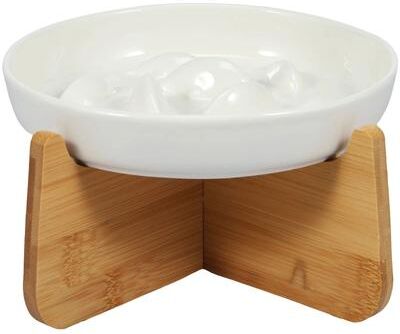
Inspired Finds ElevaBite Ceramic Raised Cat Bowl With Wooden Stand whiteMake mealtime more comfortable and enjoyable for your feline companion with this beautifully designed raised cat bowl. Featuring a sturdy wooden stand and a highquality ceramic feeding bowl, this elevated design helps promote a more natural eating...41,99 $*Shipping: 0,00 $Secure redirect to the provider
-
Why do alkenes and alkynes have a high reactivity? Why is the reactivity of alkenes greater than that of alkanes and the reactivity of alkynes the greatest?
Alkenes and alkynes have high reactivity due to the presence of pi bonds, which are more easily broken than the sigma bonds found in alkanes. The pi bonds in alkenes and alkynes are more exposed and less stable, making them more susceptible to reactions. The reactivity of alkenes is greater than that of alkanes because they have one or more pi bonds, which provide more opportunities for chemical reactions. Similarly, alkynes have the greatest reactivity because they have two pi bonds, making them even more susceptible to reactions than alkenes. **
-
What is the reactivity of alkenes and alkynes?
Alkenes and alkynes are more reactive than alkanes due to the presence of pi bonds in their structures. The pi bonds allow for the addition of atoms or groups to the carbon-carbon double or triple bond, making them susceptible to various types of reactions such as addition reactions. Alkynes are generally more reactive than alkenes due to the presence of a triple bond, which provides more opportunities for reactions to occur. Overall, the reactivity of alkenes and alkynes makes them important building blocks in organic chemistry for synthesizing a wide range of compounds. **
-
What is the reactivity of the main groups?
The reactivity of the main groups in the periodic table varies depending on the specific group. Generally, the alkali metals in Group 1 are highly reactive, readily forming ionic compounds with nonmetals. The alkaline earth metals in Group 2 are also reactive, but less so than the alkali metals. The halogens in Group 17 are highly reactive nonmetals, readily forming compounds with metals. The noble gases in Group 18 are generally unreactive due to their full outer electron shells. Overall, reactivity tends to increase going down a group and decrease going across a period from left to right. **
-
What is the reactivity of alkanes and alkenes?
Alkanes are relatively unreactive due to the presence of only single bonds between carbon atoms, which makes them stable and inert under most conditions. On the other hand, alkenes are more reactive than alkanes due to the presence of a double bond, which can undergo addition reactions with various reagents. This double bond provides alkenes with the ability to participate in a wide range of chemical reactions, making them more versatile in organic synthesis compared to alkanes. **
* All prices are inclusive of VAT and, if applicable, plus shipping costs. The offer information is based on the details provided by the respective shop and is updated through automated processes. Real-time updates do not occur, so deviations can occur in individual cases. ** Note: Parts of this content were created by AI.