Buy bowl.eu ?
We are moving the project
bowl.eu .
Are you interested in purchasing the domain
bowl.eu ?
domain@kv-gmbh.de · 0541-91531010
Buy bowl.eu ?
Why do bubbles form under the glass of a ceramic cooktop?
Bubbles can form under the glass of a ceramic cooktop due to a phenomenon called "outgassing." This occurs when volatile substances, such as moisture or air, are trapped within the layers of the glass during the manufacturing process. When the cooktop is heated, these trapped substances expand and form bubbles under the glass. Additionally, the use of cookware with uneven or rough bottoms can create pockets of air that expand and form bubbles when the cooktop is heated. **
How do stains form beneath the surface of a ceramic glass cooktop?
Stains can form beneath the surface of a ceramic glass cooktop when spills or food particles seep through the small openings around the burners. These openings allow the spills to reach the area beneath the glass surface where they can become baked on and difficult to remove. Over time, these stains can accumulate and create a discolored or dirty appearance on the cooktop. Regular cleaning and maintenance can help prevent stains from forming beneath the surface of a ceramic glass cooktop. **


Similar search terms for Form
Top-Angebote
Products related to Form:
-
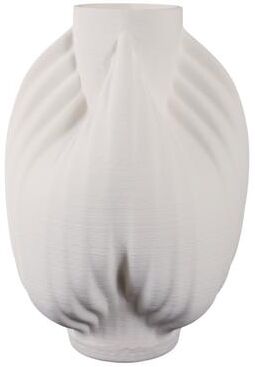
Sagebrook Home Porcelain Vase Textured Decorative Vessel with Ribbed Carved FormElegant sculptural design - Adds a modern artistic touch to any space, making it perfect for enhancing home decor in the living room, bedroom, or office effortlessly.130,49 $*Shipping: 0,00 $Secure redirect to the provider
-
Sagebrook Home Porcelain Sculptural Vase with Textured Wave Design Modern FormSculptural silhouette design - Adds instant visual interest to entryways and mantels, making it easy to elevate blank spaces without needing extra decor accessories.154,57 $*Shipping: 0,00 $Secure redirect to the provider
-
Maytoni Glass Pendant Light Basic form, dimmable, Brass / gold, Kitchen, metal, Modern, Ceiling LightThe 3-bulb Basic form pendant light consists of a metal frame in gold and three spherical lampshades made of white glass. The combination of materials and colours gives the surroundings a sophisticated touch. The light is emitted glare-free into the surroundings through the matt lampshades. Basic form is wonderfully effective above a living room or dining room table.300,96 £*Shipping: 4,99 £Secure redirect to the provider
-
Drop Dash Deals Diamond Hole Saw Set For Glass Ceramic Tile And Porcelain Diamond Hole Saw Set For Glass Ceramic Tile And PorcelainTake on delicate drilling jobs with more confidence and less cracking. This 10 pc of set diamond hole saw set is made for DIYers, installers, and repair pros who need clean holes in glass, tile, porcelain, and stone. With 10 useful sizes, it helps...44,97 $*Shipping: 0,00 $Secure redirect to the provider



-
How do stains form under the surface of a ceramic glass cooktop?
Stains can form under the surface of a ceramic glass cooktop when food or liquid spills onto the surface and is not immediately cleaned. Over time, these spills can seep through the surface and become trapped underneath, creating a stain. Additionally, if the cooktop is not properly cleaned and maintained, residue and grease can build up and penetrate the surface, leading to the formation of stains. Regular cleaning and prompt removal of spills can help prevent stains from forming under the surface of a ceramic glass cooktop. **
-
How much is the porcelain or ceramic soup bowl worth?
The porcelain or ceramic soup bowl is worth $15. **
-
In which containers other than glass and ceramic can I place an immersion heater? Metal? Plastic?
An immersion heater can be safely placed in a metal container, as long as the metal is non-corrosive and can withstand the heat generated by the heater. However, it is not safe to place an immersion heater in a plastic container, as the heat can cause the plastic to melt or release harmful chemicals. It is important to always check the manufacturer's guidelines and recommendations for the specific immersion heater being used to ensure safe and proper usage. **
-
How does patina form on plastic?
Patina on plastic forms through a process called oxidation. When plastic is exposed to sunlight, air, and moisture over time, the surface molecules break down and react with oxygen, causing a chemical change that results in a discoloration or yellowing of the plastic. This process is similar to how patina forms on metals, but in the case of plastic, it is a degradation of the material rather than a buildup of a protective layer. **


How do stains form on a ceramic plate?
Stains can form on a ceramic plate from a variety of sources. For example, food and drink can leave behind residue that can stain the plate if not cleaned promptly. Additionally, certain foods with strong pigments, such as tomato sauce or curry, can leave behind stubborn stains. Over time, the porous nature of ceramic can also allow for the accumulation of stains, especially if the plate is not properly cleaned and dried after each use. **
What is the trade form of plastic?
Plastic is typically traded in the form of pellets or resin. These pellets are small, uniform pieces of plastic that can be easily melted and molded into various shapes and products. The resin form of plastic is a raw material that can be further processed into different types of plastic products. Both pellets and resin are commonly traded commodities in the global plastics industry. **
Top-Angebote
Products related to Form:
-
Sagebrook Home "Metal Modern Glam Bowl Sleek Curved Design Stylish Sculptural Form - 20.0"""This modern glam metal bowl brings a sculptural touch to any tabletop decoration, this metal bowl comes in gold, ivory and tan providing thoughtful decorative use making it an effortless accent for a living room, kitchen, or dining room table.106,01 $*Shipping: 0,00 $Secure redirect to the provider
-
Multicon Wholesale Hub Diamond Hole Saw For Glass Ceramic Tile And Porcelain Diamond Hole Saw For Glass Ceramic Tile And PorcelainTackle delicate drilling jobs with more control and less stress. This diamond hole saw set is made for DIYers, installers, and repair pros who need clean openings in glass, ceramic, and tough tile surfaces. With a practical 632mm size range and...74,97 $*Shipping: 0,00 $Secure redirect to the provider
-
Sagebrook Home Porcelain Vase Textured Decorative Vessel with Ribbed Carved FormElegant sculptural design - Adds a modern artistic touch to any space, making it perfect for enhancing home decor in the living room, bedroom, or office effortlessly.130,49 $*Shipping: 0,00 $Secure redirect to the provider
-
Sagebrook Home Porcelain Sculptural Vase with Textured Wave Design Modern FormSculptural silhouette design - Adds instant visual interest to entryways and mantels, making it easy to elevate blank spaces without needing extra decor accessories.154,57 $*Shipping: 0,00 $Secure redirect to the provider
-
Why do bubbles form under the glass of a ceramic cooktop?
Bubbles can form under the glass of a ceramic cooktop due to a phenomenon called "outgassing." This occurs when volatile substances, such as moisture or air, are trapped within the layers of the glass during the manufacturing process. When the cooktop is heated, these trapped substances expand and form bubbles under the glass. Additionally, the use of cookware with uneven or rough bottoms can create pockets of air that expand and form bubbles when the cooktop is heated. **
-
How do stains form beneath the surface of a ceramic glass cooktop?
Stains can form beneath the surface of a ceramic glass cooktop when spills or food particles seep through the small openings around the burners. These openings allow the spills to reach the area beneath the glass surface where they can become baked on and difficult to remove. Over time, these stains can accumulate and create a discolored or dirty appearance on the cooktop. Regular cleaning and maintenance can help prevent stains from forming beneath the surface of a ceramic glass cooktop. **
-
How do stains form under the surface of a ceramic glass cooktop?
Stains can form under the surface of a ceramic glass cooktop when food or liquid spills onto the surface and is not immediately cleaned. Over time, these spills can seep through the surface and become trapped underneath, creating a stain. Additionally, if the cooktop is not properly cleaned and maintained, residue and grease can build up and penetrate the surface, leading to the formation of stains. Regular cleaning and prompt removal of spills can help prevent stains from forming under the surface of a ceramic glass cooktop. **
-
How much is the porcelain or ceramic soup bowl worth?
The porcelain or ceramic soup bowl is worth $15. **
Similar search terms for Form
-
Maytoni Glass Pendant Light Basic form, dimmable, Brass / gold, Kitchen, metal, Modern, Ceiling LightThe 3-bulb Basic form pendant light consists of a metal frame in gold and three spherical lampshades made of white glass. The combination of materials and colours gives the surroundings a sophisticated touch. The light is emitted glare-free into the surroundings through the matt lampshades. Basic form is wonderfully effective above a living room or dining room table.300,96 £*Shipping: 4,99 £Secure redirect to the provider
-
Drop Dash Deals Diamond Hole Saw Set For Glass Ceramic Tile And Porcelain Diamond Hole Saw Set For Glass Ceramic Tile And PorcelainTake on delicate drilling jobs with more confidence and less cracking. This 10 pc of set diamond hole saw set is made for DIYers, installers, and repair pros who need clean holes in glass, tile, porcelain, and stone. With 10 useful sizes, it helps...44,97 $*Shipping: 0,00 $Secure redirect to the provider
-
Multicon Wholesale Hub Diamond Hole Saw Set For Glass, Ceramic Tile And Porcelain diamond Hole Saw Set For Glass, Ceramic Tile And PorcelainTake on delicate drilling jobs with more control and less worry. This 10piece glass tile drill bits set is made for DIYers, installers, and repair pros who need smooth holes in tough, brittle materials. Designed for glass, ceramic, marble, granite,...53,97 $*Shipping: 0,00 $Secure redirect to the provider
-
Value Selection 2 Piece Ceramic Mixing Bowl Set With Nesting Design And Porcelain Enamel Finish 2 Piece Ceramic Mixing Bowl Set With Nesting Design And Porcelain Enamel FinishThis ceramic mixing bowl set includes two nestable bowls designed for mixing, prepping, serving, and sharing food. Higher sides help contain ingredients while whisking and stirring, while the nesting design supports more compact storage. The...219,97 $*Shipping: 0,00 $Secure redirect to the provider
-
In which containers other than glass and ceramic can I place an immersion heater? Metal? Plastic?
An immersion heater can be safely placed in a metal container, as long as the metal is non-corrosive and can withstand the heat generated by the heater. However, it is not safe to place an immersion heater in a plastic container, as the heat can cause the plastic to melt or release harmful chemicals. It is important to always check the manufacturer's guidelines and recommendations for the specific immersion heater being used to ensure safe and proper usage. **
-
How does patina form on plastic?
Patina on plastic forms through a process called oxidation. When plastic is exposed to sunlight, air, and moisture over time, the surface molecules break down and react with oxygen, causing a chemical change that results in a discoloration or yellowing of the plastic. This process is similar to how patina forms on metals, but in the case of plastic, it is a degradation of the material rather than a buildup of a protective layer. **
-
How do stains form on a ceramic plate?
Stains can form on a ceramic plate from a variety of sources. For example, food and drink can leave behind residue that can stain the plate if not cleaned promptly. Additionally, certain foods with strong pigments, such as tomato sauce or curry, can leave behind stubborn stains. Over time, the porous nature of ceramic can also allow for the accumulation of stains, especially if the plate is not properly cleaned and dried after each use. **
-
What is the trade form of plastic?
Plastic is typically traded in the form of pellets or resin. These pellets are small, uniform pieces of plastic that can be easily melted and molded into various shapes and products. The resin form of plastic is a raw material that can be further processed into different types of plastic products. Both pellets and resin are commonly traded commodities in the global plastics industry. **
* All prices are inclusive of VAT and, if applicable, plus shipping costs. The offer information is based on the details provided by the respective shop and is updated through automated processes. Real-time updates do not occur, so deviations can occur in individual cases. ** Note: Parts of this content were created by AI.