Buy bowl.eu ?
We are moving the project
bowl.eu .
Are you interested in purchasing the domain
bowl.eu ?
domain@kv-gmbh.de · 0541-91531010
Buy bowl.eu ?
What is the Himalayas?
The Himalayas is a vast mountain range in Asia, separating the plains of the Indian subcontinent from the Tibetan Plateau. It is home to some of the world's highest peaks, including Mount Everest, and spans five countries: India, Nepal, Bhutan, China, and Pakistan. The Himalayas are also known for their rich biodiversity, with a wide variety of flora and fauna found in the region. Additionally, the range has significant cultural and spiritual importance, with many sacred sites and pilgrimage routes located within its peaks and valleys. **
Where is the Himalayas located?
The Himalayas are located in Asia, spanning across five countries: India, Nepal, Bhutan, China, and Pakistan. This mountain range stretches over 1,500 miles from east to west, and its highest peak, Mount Everest, is situated in Nepal. The Himalayas are known for their majestic beauty and are a popular destination for trekkers, climbers, and nature enthusiasts. **


Similar search terms for Himalayas
Top-Angebote
Products related to Himalayas:
-
Multicon Wholesale Hub Diamond Hole Saw Set For Glass, Ceramic Tile And Porcelain diamond Hole Saw Set For Glass, Ceramic Tile And PorcelainTake on delicate drilling jobs with more control and less worry. This 10piece glass tile drill bits set is made for DIYers, installers, and repair pros who need smooth holes in tough, brittle materials. Designed for glass, ceramic, marble, granite,...53,97 $*Shipping: 0,00 $Secure redirect to the provider
-
Value Selection 2 Piece Ceramic Mixing Bowl Set With Nesting Design And Porcelain Enamel Finish 2 Piece Ceramic Mixing Bowl Set With Nesting Design And Porcelain Enamel FinishThis ceramic mixing bowl set includes two nestable bowls designed for mixing, prepping, serving, and sharing food. Higher sides help contain ingredients while whisking and stirring, while the nesting design supports more compact storage. The...219,97 $*Shipping: 0,00 $Secure redirect to the provider
-
BarberPub Backwash Shampoo Station Chair with Adjustable Porcelain Ceramic Hair Wash BowlItem Description: This classic and deluxe shampoo backwash unit station would be a perfect addition for Barbershop, Beauty Salons, Tattoo Parlors and more.Textured PVC leather with highly elasticity sponge provides great comfort.791,19 $*Shipping: 0,00 $Secure redirect to the provider
-
Inspired Finds 8in Tile Nippers Mosaic Cutter Pliers For Ceramic Porcelain And Glass Tile 8in Tile Nippers Mosaic Cutter Pliers For Ceramic Porcelain And Glass TileAchieve clean, controlled tile shaping with durable tile nippers designed for detailed cutting work. This hand tool allows you to trim, shape, and adjust tiles with precision where fullsize cutters cannot reach. Built for strength and control, it...34,99 $*Shipping: 0,00 $Secure redirect to the provider


-
How old is the Himalayas?
The Himalayas are estimated to be around 50 million years old. The mountain range was formed as a result of the collision between the Indian and Eurasian tectonic plates. Over millions of years, the Himalayas have continued to grow and change due to the ongoing movement of these plates. The Himalayas are considered relatively young compared to other mountain ranges on Earth. **
-
How high are the Himalayas?
The Himalayas are the highest mountain range in the world, with the highest peak being Mount Everest at 29,032 feet (8,849 meters) above sea level. The range spans across five countries - India, Nepal, Bhutan, China, and Pakistan - and includes over 100 mountains that are over 23,600 feet (7,200 meters) high. The average elevation of the Himalayas is around 16,000 feet (4,900 meters) above sea level, making it one of the most formidable and majestic mountain ranges on Earth. **
-
How was the Himalayas formed?
The Himalayas were formed through the collision of the Indian Plate and the Eurasian Plate. Around 50 million years ago, the Indian Plate began moving northward and eventually collided with the Eurasian Plate. This collision caused the Earth's crust to crumple and fold, resulting in the formation of the Himalayan mountain range. The ongoing tectonic activity in the region continues to push the Himalayas higher, making them one of the youngest and tallest mountain ranges in the world. **
-
Why are there no volcanoes in the Himalayas?
The Himalayas are formed by the collision of the Indian and Eurasian tectonic plates, which has resulted in the uplift of the region. This collision has caused the crust to thicken and push upwards, creating the towering mountain range. However, the process of subduction, which is responsible for the formation of volcanoes, is not occurring in the Himalayas. Instead, the collision has led to the formation of fold mountains, where the crust is pushed together and uplifted, but not melted and erupted as in the case of volcanic mountains. Therefore, the absence of subduction and the type of tectonic activity in the Himalayas are the reasons why there are no volcanoes in the region. **

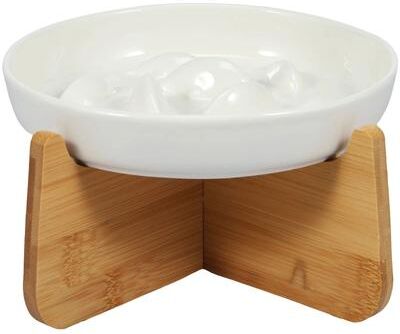
How much is the porcelain or ceramic soup bowl worth?
The porcelain or ceramic soup bowl is worth $15. **
Why is there no active volcanism in the Himalayas?
The Himalayas are formed by the collision of the Indian and Eurasian tectonic plates, which has resulted in the uplift of the region. This collision has caused the crust to thicken and compress, making it difficult for magma to rise to the surface and form volcanoes. Additionally, the Indian plate is currently moving northward and underthrusting beneath the Eurasian plate, which further inhibits volcanic activity in the region. As a result, the Himalayas do not have active volcanism. **
Top-Angebote
Products related to Himalayas:
-
Multicon Wholesale Hub Diamond Hole Saw For Glass Ceramic Tile And Porcelain Diamond Hole Saw For Glass Ceramic Tile And PorcelainTackle delicate drilling jobs with more control and less stress. This diamond hole saw set is made for DIYers, installers, and repair pros who need clean openings in glass, ceramic, and tough tile surfaces. With a practical 632mm size range and...74,97 $*Shipping: 0,00 $Secure redirect to the provider
-
Drop Dash Deals Diamond Hole Saw Set For Glass Ceramic Tile And Porcelain Diamond Hole Saw Set For Glass Ceramic Tile And PorcelainTake on delicate drilling jobs with more confidence and less cracking. This 10 pc of set diamond hole saw set is made for DIYers, installers, and repair pros who need clean holes in glass, tile, porcelain, and stone. With 10 useful sizes, it helps...44,97 $*Shipping: 0,00 $Secure redirect to the provider
-
Multicon Wholesale Hub Diamond Hole Saw Set For Glass, Ceramic Tile And Porcelain diamond Hole Saw Set For Glass, Ceramic Tile And PorcelainTake on delicate drilling jobs with more control and less worry. This 10piece glass tile drill bits set is made for DIYers, installers, and repair pros who need smooth holes in tough, brittle materials. Designed for glass, ceramic, marble, granite,...53,97 $*Shipping: 0,00 $Secure redirect to the provider
-
Value Selection 2 Piece Ceramic Mixing Bowl Set With Nesting Design And Porcelain Enamel Finish 2 Piece Ceramic Mixing Bowl Set With Nesting Design And Porcelain Enamel FinishThis ceramic mixing bowl set includes two nestable bowls designed for mixing, prepping, serving, and sharing food. Higher sides help contain ingredients while whisking and stirring, while the nesting design supports more compact storage. The...219,97 $*Shipping: 0,00 $Secure redirect to the provider
-
What is the Himalayas?
The Himalayas is a vast mountain range in Asia, separating the plains of the Indian subcontinent from the Tibetan Plateau. It is home to some of the world's highest peaks, including Mount Everest, and spans five countries: India, Nepal, Bhutan, China, and Pakistan. The Himalayas are also known for their rich biodiversity, with a wide variety of flora and fauna found in the region. Additionally, the range has significant cultural and spiritual importance, with many sacred sites and pilgrimage routes located within its peaks and valleys. **
-
Where is the Himalayas located?
The Himalayas are located in Asia, spanning across five countries: India, Nepal, Bhutan, China, and Pakistan. This mountain range stretches over 1,500 miles from east to west, and its highest peak, Mount Everest, is situated in Nepal. The Himalayas are known for their majestic beauty and are a popular destination for trekkers, climbers, and nature enthusiasts. **
-
How old is the Himalayas?
The Himalayas are estimated to be around 50 million years old. The mountain range was formed as a result of the collision between the Indian and Eurasian tectonic plates. Over millions of years, the Himalayas have continued to grow and change due to the ongoing movement of these plates. The Himalayas are considered relatively young compared to other mountain ranges on Earth. **
-
How high are the Himalayas?
The Himalayas are the highest mountain range in the world, with the highest peak being Mount Everest at 29,032 feet (8,849 meters) above sea level. The range spans across five countries - India, Nepal, Bhutan, China, and Pakistan - and includes over 100 mountains that are over 23,600 feet (7,200 meters) high. The average elevation of the Himalayas is around 16,000 feet (4,900 meters) above sea level, making it one of the most formidable and majestic mountain ranges on Earth. **
Similar search terms for Himalayas
-
BarberPub Backwash Shampoo Station Chair with Adjustable Porcelain Ceramic Hair Wash BowlItem Description: This classic and deluxe shampoo backwash unit station would be a perfect addition for Barbershop, Beauty Salons, Tattoo Parlors and more.Textured PVC leather with highly elasticity sponge provides great comfort.791,19 $*Shipping: 0,00 $Secure redirect to the provider
-
Inspired Finds 8in Tile Nippers Mosaic Cutter Pliers For Ceramic Porcelain And Glass Tile 8in Tile Nippers Mosaic Cutter Pliers For Ceramic Porcelain And Glass TileAchieve clean, controlled tile shaping with durable tile nippers designed for detailed cutting work. This hand tool allows you to trim, shape, and adjust tiles with precision where fullsize cutters cannot reach. Built for strength and control, it...34,99 $*Shipping: 0,00 $Secure redirect to the provider
-
BarberPub Backwash Shampoo Station Chair with Adjustable Porcelain Ceramic Hair Wash Bowl, Vacuum BreakerItem Description: This shampoo station chair features its simple business style with good quality and comfort. The suture texture with plaid and button highlights its classic business appearance.881,49 $*Shipping: 0,00 $Secure redirect to the provider
-
Inspired Finds ElevaBite Ceramic Raised Cat Bowl With Wooden Stand whiteMake mealtime more comfortable and enjoyable for your feline companion with this beautifully designed raised cat bowl. Featuring a sturdy wooden stand and a highquality ceramic feeding bowl, this elevated design helps promote a more natural eating...41,99 $*Shipping: 0,00 $Secure redirect to the provider
-
How was the Himalayas formed?
The Himalayas were formed through the collision of the Indian Plate and the Eurasian Plate. Around 50 million years ago, the Indian Plate began moving northward and eventually collided with the Eurasian Plate. This collision caused the Earth's crust to crumple and fold, resulting in the formation of the Himalayan mountain range. The ongoing tectonic activity in the region continues to push the Himalayas higher, making them one of the youngest and tallest mountain ranges in the world. **
-
Why are there no volcanoes in the Himalayas?
The Himalayas are formed by the collision of the Indian and Eurasian tectonic plates, which has resulted in the uplift of the region. This collision has caused the crust to thicken and push upwards, creating the towering mountain range. However, the process of subduction, which is responsible for the formation of volcanoes, is not occurring in the Himalayas. Instead, the collision has led to the formation of fold mountains, where the crust is pushed together and uplifted, but not melted and erupted as in the case of volcanic mountains. Therefore, the absence of subduction and the type of tectonic activity in the Himalayas are the reasons why there are no volcanoes in the region. **
-
How much is the porcelain or ceramic soup bowl worth?
The porcelain or ceramic soup bowl is worth $15. **
-
Why is there no active volcanism in the Himalayas?
The Himalayas are formed by the collision of the Indian and Eurasian tectonic plates, which has resulted in the uplift of the region. This collision has caused the crust to thicken and compress, making it difficult for magma to rise to the surface and form volcanoes. Additionally, the Indian plate is currently moving northward and underthrusting beneath the Eurasian plate, which further inhibits volcanic activity in the region. As a result, the Himalayas do not have active volcanism. **
* All prices are inclusive of VAT and, if applicable, plus shipping costs. The offer information is based on the details provided by the respective shop and is updated through automated processes. Real-time updates do not occur, so deviations can occur in individual cases. ** Note: Parts of this content were created by AI.