Buy bowl.eu ?
We are moving the project
bowl.eu .
Are you interested in purchasing the domain
bowl.eu ?
domain@kv-gmbh.de · 0541-91531010
Buy bowl.eu ?
How much is the porcelain or ceramic soup bowl worth?
The porcelain or ceramic soup bowl is worth $15. **
Can a ceramic cooktop be scratched by using cleaning paste?
Yes, a ceramic cooktop can be scratched by using cleaning paste. The abrasive nature of cleaning paste can cause scratches on the smooth surface of the cooktop. It is important to use non-abrasive cleaning materials specifically designed for ceramic cooktops to avoid damaging the surface. Always follow the manufacturer's guidelines for cleaning and maintenance to ensure the longevity of your ceramic cooktop. **

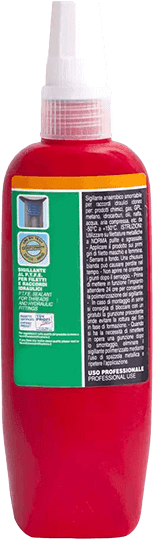
Similar search terms for PETEC-70650-Ceramic-Paste
Top-Angebote
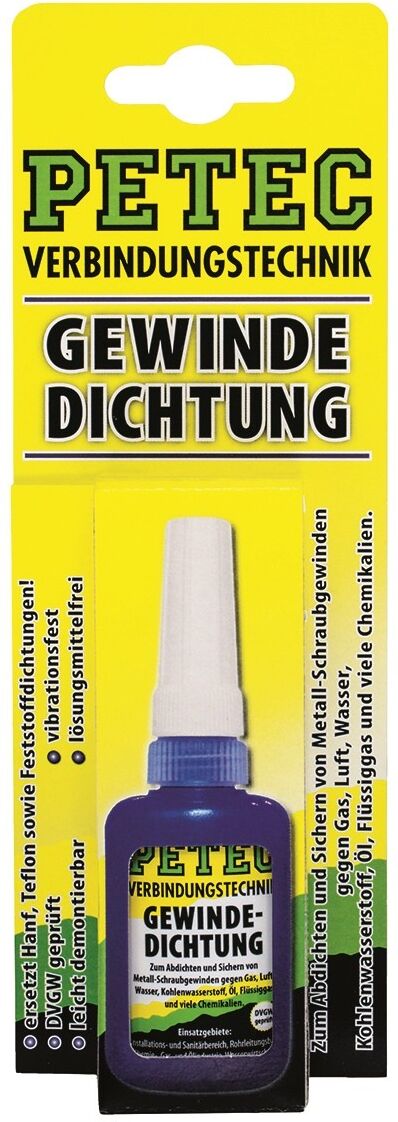
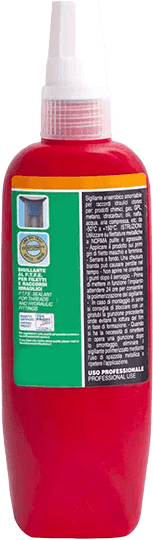
Products related to PETEC-70650-Ceramic-Paste:
-
PETEC 97218 Thread Sealer PasteContainer Type: Tube; Contents [g]: 50; Capacity [ml]: 50; Colour: white; Chemical Properties: Low Solidity, hardening, high corrosion protection, Heat-resistant, Saltwater-Resistant, Fuel-Resistant, Oil resistant, Chemical Resistant; Temperature range from [°C]: -55; Temperature range to [°C]: +150; Operating pressure to [bar]: 60; Release Torque [Nm]: 11; resistant to: Compressed Air, Grease, Gas, Hydraulic Oil, Urea Solution (AdBlue®), Water and compressed air; Observe technical data: ; Observe assembly information: ; Liquid:9,99 £*Shipping: 8,45 £Secure redirect to the provider
-
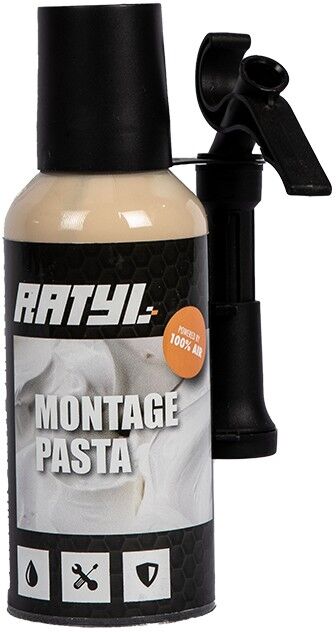
PRESTO 446832 Ceramic Paste SprayOperating temperature from [°C]: 5; Operating temperature to [°C]: 30; Container Type: aerosol; Capacity [ml]: 400; Height: 185; Width [mm]: 65; Depth [mm]: 65; Weight [kg]: 0,383; Observe service information: ; Liquid:12,99 £*Shipping: 8,45 £Secure redirect to the provider
-
PRESTO 157073 Ceramic Paste SprayOperating temperature from [°C]: 5; Operating temperature to [°C]: 30; Container Type: aerosol; Capacity [ml]: 400; Height: 201; Width [mm]: 69; Depth [mm]: 69; Weight [kg]: 0,39; Observe service information: ; Liquid:5,99 £*Shipping: 8,45 £Secure redirect to the provider


-
How do I remove melted plastic from a ceramic glass cooktop?
To remove melted plastic from a ceramic glass cooktop, start by turning off the cooktop and allowing it to cool completely. Once it's cool, use a plastic scraper or a credit card to gently scrape off as much of the melted plastic as possible. Then, apply a small amount of ceramic cooktop cleaner to the affected area and use a soft cloth to gently scrub away any remaining residue. Finally, wipe the cooktop clean with a damp cloth and dry it thoroughly. Avoid using abrasive materials or harsh chemicals, as they can damage the cooktop surface. **
-
Is turned ceramic better than cast ceramic?
It depends on the specific application and requirements. Turned ceramic, also known as machined ceramic, is typically more precise and can achieve tighter tolerances compared to cast ceramic. However, cast ceramic may be more cost-effective for larger and more complex shapes. Additionally, turned ceramic may have better surface finish and mechanical properties, while cast ceramic may have better thermal shock resistance. Ultimately, the choice between turned and cast ceramic depends on the specific needs of the application. **
-
In which containers other than glass and ceramic can I place an immersion heater? Metal? Plastic?
An immersion heater can be safely placed in a metal container, as long as the metal is non-corrosive and can withstand the heat generated by the heater. However, it is not safe to place an immersion heater in a plastic container, as the heat can cause the plastic to melt or release harmful chemicals. It is important to always check the manufacturer's guidelines and recommendations for the specific immersion heater being used to ensure safe and proper usage. **
-
At what temperature does porcelain and ceramic break?
Porcelain and ceramic break at different temperatures depending on the specific type and quality of the material. Generally, porcelain tends to break at higher temperatures than ceramic due to its denser and more refined composition. Porcelain typically breaks at temperatures above 1200 degrees Celsius, while ceramic may break at temperatures ranging from 800 to 1000 degrees Celsius. It is important to handle both materials carefully to prevent breakage during heating or cooling processes. **

What happens if you swallow ceramic or porcelain?
If you accidentally swallow a small piece of ceramic or porcelain, it will likely pass through your digestive system without causing harm. However, if the piece is large or sharp, it could potentially cause damage to your throat, esophagus, or stomach. In this case, it is important to seek medical attention immediately. Additionally, ingesting ceramic or porcelain glaze or paint could expose you to harmful chemicals, so it's important to seek medical advice if this occurs. **
Can a ceramic cooktop glass be repaired?
Yes, a ceramic cooktop glass can be repaired. Small scratches and minor damage can often be repaired using a ceramic cooktop repair kit, which includes special fillers and polish to restore the surface. However, for more extensive damage such as cracks or large chips, it may be necessary to replace the entire cooktop glass. It is important to follow the manufacturer's guidelines and seek professional help if needed to ensure the repair is done properly and safely. **
Top-Angebote
Products related to PETEC-70650-Ceramic-Paste:
-
PETEC 97215 Thread Sealer PasteContainer Type: Tube; Contents [g]: 15; Quantity Unit: Gram; Capacity [ml]: 15; Chemical Properties: Medium Solidity, hardening, high corrosion protection, Heat-resistant, Saltwater-Resistant, Fuel-Resistant, Oil resistant, Chemical Resistant; Temperature range from [°C]: -55; Temperature range to [°C]: +180; Operating pressure to [bar]: 60; Release Torque [Nm]: 14; resistant to: Compressed Air, Grease, Gas, Hydraulic Oil, Urea Solution (AdBlue®), Water and compressed air; Observe technical data: ; Observe assembly information: ; Liquid:4,99 £*Shipping: 8,45 £Secure redirect to the provider
-
PETEC 97218 Thread Sealer PasteContainer Type: Tube; Contents [g]: 50; Capacity [ml]: 50; Colour: white; Chemical Properties: Low Solidity, hardening, high corrosion protection, Heat-resistant, Saltwater-Resistant, Fuel-Resistant, Oil resistant, Chemical Resistant; Temperature range from [°C]: -55; Temperature range to [°C]: +150; Operating pressure to [bar]: 60; Release Torque [Nm]: 11; resistant to: Compressed Air, Grease, Gas, Hydraulic Oil, Urea Solution (AdBlue®), Water and compressed air; Observe technical data: ; Observe assembly information: ; Liquid:9,99 £*Shipping: 8,45 £Secure redirect to the provider
-
How much is the porcelain or ceramic soup bowl worth?
The porcelain or ceramic soup bowl is worth $15. **
-
Can a ceramic cooktop be scratched by using cleaning paste?
Yes, a ceramic cooktop can be scratched by using cleaning paste. The abrasive nature of cleaning paste can cause scratches on the smooth surface of the cooktop. It is important to use non-abrasive cleaning materials specifically designed for ceramic cooktops to avoid damaging the surface. Always follow the manufacturer's guidelines for cleaning and maintenance to ensure the longevity of your ceramic cooktop. **
-
How do I remove melted plastic from a ceramic glass cooktop?
To remove melted plastic from a ceramic glass cooktop, start by turning off the cooktop and allowing it to cool completely. Once it's cool, use a plastic scraper or a credit card to gently scrape off as much of the melted plastic as possible. Then, apply a small amount of ceramic cooktop cleaner to the affected area and use a soft cloth to gently scrub away any remaining residue. Finally, wipe the cooktop clean with a damp cloth and dry it thoroughly. Avoid using abrasive materials or harsh chemicals, as they can damage the cooktop surface. **
-
Is turned ceramic better than cast ceramic?
It depends on the specific application and requirements. Turned ceramic, also known as machined ceramic, is typically more precise and can achieve tighter tolerances compared to cast ceramic. However, cast ceramic may be more cost-effective for larger and more complex shapes. Additionally, turned ceramic may have better surface finish and mechanical properties, while cast ceramic may have better thermal shock resistance. Ultimately, the choice between turned and cast ceramic depends on the specific needs of the application. **
Similar search terms for PETEC-70650-Ceramic-Paste
-
PRESTO 446832 Ceramic Paste SprayOperating temperature from [°C]: 5; Operating temperature to [°C]: 30; Container Type: aerosol; Capacity [ml]: 400; Height: 185; Width [mm]: 65; Depth [mm]: 65; Weight [kg]: 0,383; Observe service information: ; Liquid:12,99 £*Shipping: 8,45 £Secure redirect to the provider
-
PRESTO 157073 Ceramic Paste SprayOperating temperature from [°C]: 5; Operating temperature to [°C]: 30; Container Type: aerosol; Capacity [ml]: 400; Height: 201; Width [mm]: 69; Depth [mm]: 69; Weight [kg]: 0,39; Observe service information: ; Liquid:5,99 £*Shipping: 8,45 £Secure redirect to the provider
-
In which containers other than glass and ceramic can I place an immersion heater? Metal? Plastic?
An immersion heater can be safely placed in a metal container, as long as the metal is non-corrosive and can withstand the heat generated by the heater. However, it is not safe to place an immersion heater in a plastic container, as the heat can cause the plastic to melt or release harmful chemicals. It is important to always check the manufacturer's guidelines and recommendations for the specific immersion heater being used to ensure safe and proper usage. **
-
At what temperature does porcelain and ceramic break?
Porcelain and ceramic break at different temperatures depending on the specific type and quality of the material. Generally, porcelain tends to break at higher temperatures than ceramic due to its denser and more refined composition. Porcelain typically breaks at temperatures above 1200 degrees Celsius, while ceramic may break at temperatures ranging from 800 to 1000 degrees Celsius. It is important to handle both materials carefully to prevent breakage during heating or cooling processes. **
-
What happens if you swallow ceramic or porcelain?
If you accidentally swallow a small piece of ceramic or porcelain, it will likely pass through your digestive system without causing harm. However, if the piece is large or sharp, it could potentially cause damage to your throat, esophagus, or stomach. In this case, it is important to seek medical attention immediately. Additionally, ingesting ceramic or porcelain glaze or paint could expose you to harmful chemicals, so it's important to seek medical advice if this occurs. **
-
Can a ceramic cooktop glass be repaired?
Yes, a ceramic cooktop glass can be repaired. Small scratches and minor damage can often be repaired using a ceramic cooktop repair kit, which includes special fillers and polish to restore the surface. However, for more extensive damage such as cracks or large chips, it may be necessary to replace the entire cooktop glass. It is important to follow the manufacturer's guidelines and seek professional help if needed to ensure the repair is done properly and safely. **
* All prices are inclusive of VAT and, if applicable, plus shipping costs. The offer information is based on the details provided by the respective shop and is updated through automated processes. Real-time updates do not occur, so deviations can occur in individual cases. ** Note: Parts of this content were created by AI.