Buy bowl.eu ?
We are moving the project
bowl.eu .
Are you interested in purchasing the domain
bowl.eu ?
domain@kv-gmbh.de · 0541-91531010
Buy bowl.eu ?
How is a covalent bond formed when nonmetal atoms meet nonmetal atoms?
When nonmetal atoms meet nonmetal atoms, they can form covalent bonds by sharing electrons. Each nonmetal atom contributes one or more electrons to the bond, creating a shared electron pair between the two atoms. This sharing of electrons allows both atoms to achieve a more stable electron configuration, typically by filling their outermost energy levels. The strength of the covalent bond depends on the number of shared electrons and the distance between the nuclei of the bonded atoms. **
What are the differences between metal oxides and nonmetal oxides?
Metal oxides are compounds formed between a metal and oxygen, while nonmetal oxides are compounds formed between a nonmetal and oxygen. Metal oxides tend to be basic in nature, meaning they react with acids to form salts and water. Nonmetal oxides, on the other hand, tend to be acidic in nature, meaning they react with bases to form salts and water. Additionally, metal oxides typically have higher melting and boiling points compared to nonmetal oxides. **


Similar search terms for Nonmetal
Top-Angebote
Products related to Nonmetal:
-
Multicon Wholesale Hub Diamond Hole Saw Set For Glass, Ceramic Tile And Porcelain diamond Hole Saw Set For Glass, Ceramic Tile And PorcelainTake on delicate drilling jobs with more control and less worry. This 10piece glass tile drill bits set is made for DIYers, installers, and repair pros who need smooth holes in tough, brittle materials. Designed for glass, ceramic, marble, granite,...53,97 $*Shipping: 0,00 $Secure redirect to the provider
-
Value Selection 2 Piece Ceramic Mixing Bowl Set With Nesting Design And Porcelain Enamel Finish 2 Piece Ceramic Mixing Bowl Set With Nesting Design And Porcelain Enamel FinishThis ceramic mixing bowl set includes two nestable bowls designed for mixing, prepping, serving, and sharing food. Higher sides help contain ingredients while whisking and stirring, while the nesting design supports more compact storage. The...219,97 $*Shipping: 0,00 $Secure redirect to the provider
-
BarberPub Backwash Shampoo Station Chair with Adjustable Porcelain Ceramic Hair Wash BowlItem Description: This classic and deluxe shampoo backwash unit station would be a perfect addition for Barbershop, Beauty Salons, Tattoo Parlors and more.Textured PVC leather with highly elasticity sponge provides great comfort.791,19 $*Shipping: 0,00 $Secure redirect to the provider
-
Inspired Finds 8in Tile Nippers Mosaic Cutter Pliers For Ceramic Porcelain And Glass Tile 8in Tile Nippers Mosaic Cutter Pliers For Ceramic Porcelain And Glass TileAchieve clean, controlled tile shaping with durable tile nippers designed for detailed cutting work. This hand tool allows you to trim, shape, and adjust tiles with precision where fullsize cutters cannot reach. Built for strength and control, it...34,99 $*Shipping: 0,00 $Secure redirect to the provider


-
What are the properties of metal oxides and nonmetal oxides?
Metal oxides are typically basic in nature, meaning they react with acids to form salts and water. They are also typically solid at room temperature and have high melting and boiling points. Nonmetal oxides, on the other hand, are usually acidic in nature, meaning they react with bases to form salts and water. They are often gases or liquids at room temperature and have lower melting and boiling points compared to metal oxides. Both types of oxides play important roles in various chemical reactions and industrial processes. **
-
Ionic bonding always occurs between a metal and a nonmetal.
Ionic bonding always occurs between a metal and a nonmetal because of the large difference in electronegativity between the two types of elements. Metals have low electronegativity and tend to lose electrons, while nonmetals have high electronen **
-
What is an electron transfer reaction between a metal and a nonmetal?
An electron transfer reaction between a metal and a nonmetal occurs when the metal atom loses one or more electrons to the nonmetal atom. This transfer of electrons results in the formation of ions, with the metal forming a positively charged ion (cation) and the nonmetal forming a negatively charged ion (anion). This type of reaction is characteristic of ionic bonding, where the attraction between the oppositely charged ions leads to the formation of an ionic compound. Examples of such reactions include the formation of sodium chloride (NaCl) when sodium (a metal) reacts with chlorine (a nonmetal). **
-
What happens during a chemical reaction between a metal and a nonmetal?
During a chemical reaction between a metal and a nonmetal, the metal atoms lose electrons to form positively charged ions, while the nonmetal atoms gain those electrons to form negatively charged ions. These oppositely charged ions then attract each other, forming an ionic bond. This results in the formation of a compound, which is typically a salt. The reaction can also involve the transfer of electrons from the metal to the nonmetal, resulting in the formation of a covalent bond. **

What is the difference between metal oxides and nonmetal oxides in chemistry?
Metal oxides are compounds formed between a metal and oxygen, while nonmetal oxides are compounds formed between a nonmetal and oxygen. Metal oxides tend to be basic in nature, meaning they react with acids to form salts and water. Nonmetal oxides, on the other hand, tend to be acidic in nature, meaning they react with bases to form salts and water. This difference in reactivity is due to the different chemical properties of metals and nonmetals. **
Is a metalloid classified as a metal or nonmetal in a chemical bond?
A metalloid is classified as an element that has properties of both metals and nonmetals. In a chemical bond, a metalloid can exhibit characteristics of both metals and nonmetals depending on the specific elements it is bonding with. This dual nature allows metalloids to form a variety of different types of chemical bonds, making them versatile elements in the periodic table. **
Top-Angebote
Products related to Nonmetal:
-
Multicon Wholesale Hub Diamond Hole Saw For Glass Ceramic Tile And Porcelain Diamond Hole Saw For Glass Ceramic Tile And PorcelainTackle delicate drilling jobs with more control and less stress. This diamond hole saw set is made for DIYers, installers, and repair pros who need clean openings in glass, ceramic, and tough tile surfaces. With a practical 632mm size range and...74,97 $*Shipping: 0,00 $Secure redirect to the provider
-
Drop Dash Deals Diamond Hole Saw Set For Glass Ceramic Tile And Porcelain Diamond Hole Saw Set For Glass Ceramic Tile And PorcelainTake on delicate drilling jobs with more confidence and less cracking. This 10 pc of set diamond hole saw set is made for DIYers, installers, and repair pros who need clean holes in glass, tile, porcelain, and stone. With 10 useful sizes, it helps...44,97 $*Shipping: 0,00 $Secure redirect to the provider
-
Multicon Wholesale Hub Diamond Hole Saw Set For Glass, Ceramic Tile And Porcelain diamond Hole Saw Set For Glass, Ceramic Tile And PorcelainTake on delicate drilling jobs with more control and less worry. This 10piece glass tile drill bits set is made for DIYers, installers, and repair pros who need smooth holes in tough, brittle materials. Designed for glass, ceramic, marble, granite,...53,97 $*Shipping: 0,00 $Secure redirect to the provider
-
Value Selection 2 Piece Ceramic Mixing Bowl Set With Nesting Design And Porcelain Enamel Finish 2 Piece Ceramic Mixing Bowl Set With Nesting Design And Porcelain Enamel FinishThis ceramic mixing bowl set includes two nestable bowls designed for mixing, prepping, serving, and sharing food. Higher sides help contain ingredients while whisking and stirring, while the nesting design supports more compact storage. The...219,97 $*Shipping: 0,00 $Secure redirect to the provider
-
How is a covalent bond formed when nonmetal atoms meet nonmetal atoms?
When nonmetal atoms meet nonmetal atoms, they can form covalent bonds by sharing electrons. Each nonmetal atom contributes one or more electrons to the bond, creating a shared electron pair between the two atoms. This sharing of electrons allows both atoms to achieve a more stable electron configuration, typically by filling their outermost energy levels. The strength of the covalent bond depends on the number of shared electrons and the distance between the nuclei of the bonded atoms. **
-
What are the differences between metal oxides and nonmetal oxides?
Metal oxides are compounds formed between a metal and oxygen, while nonmetal oxides are compounds formed between a nonmetal and oxygen. Metal oxides tend to be basic in nature, meaning they react with acids to form salts and water. Nonmetal oxides, on the other hand, tend to be acidic in nature, meaning they react with bases to form salts and water. Additionally, metal oxides typically have higher melting and boiling points compared to nonmetal oxides. **
-
What are the properties of metal oxides and nonmetal oxides?
Metal oxides are typically basic in nature, meaning they react with acids to form salts and water. They are also typically solid at room temperature and have high melting and boiling points. Nonmetal oxides, on the other hand, are usually acidic in nature, meaning they react with bases to form salts and water. They are often gases or liquids at room temperature and have lower melting and boiling points compared to metal oxides. Both types of oxides play important roles in various chemical reactions and industrial processes. **
-
Ionic bonding always occurs between a metal and a nonmetal.
Ionic bonding always occurs between a metal and a nonmetal because of the large difference in electronegativity between the two types of elements. Metals have low electronegativity and tend to lose electrons, while nonmetals have high electronen **
Similar search terms for Nonmetal
-
BarberPub Backwash Shampoo Station Chair with Adjustable Porcelain Ceramic Hair Wash BowlItem Description: This classic and deluxe shampoo backwash unit station would be a perfect addition for Barbershop, Beauty Salons, Tattoo Parlors and more.Textured PVC leather with highly elasticity sponge provides great comfort.791,19 $*Shipping: 0,00 $Secure redirect to the provider
-
Inspired Finds 8in Tile Nippers Mosaic Cutter Pliers For Ceramic Porcelain And Glass Tile 8in Tile Nippers Mosaic Cutter Pliers For Ceramic Porcelain And Glass TileAchieve clean, controlled tile shaping with durable tile nippers designed for detailed cutting work. This hand tool allows you to trim, shape, and adjust tiles with precision where fullsize cutters cannot reach. Built for strength and control, it...34,99 $*Shipping: 0,00 $Secure redirect to the provider
-
BarberPub Backwash Shampoo Station Chair with Adjustable Porcelain Ceramic Hair Wash Bowl, Vacuum BreakerItem Description: This shampoo station chair features its simple business style with good quality and comfort. The suture texture with plaid and button highlights its classic business appearance.881,49 $*Shipping: 0,00 $Secure redirect to the provider
-
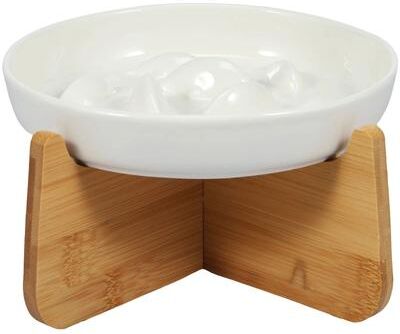
Inspired Finds ElevaBite Ceramic Raised Cat Bowl With Wooden Stand whiteMake mealtime more comfortable and enjoyable for your feline companion with this beautifully designed raised cat bowl. Featuring a sturdy wooden stand and a highquality ceramic feeding bowl, this elevated design helps promote a more natural eating...41,99 $*Shipping: 0,00 $Secure redirect to the provider
-
What is an electron transfer reaction between a metal and a nonmetal?
An electron transfer reaction between a metal and a nonmetal occurs when the metal atom loses one or more electrons to the nonmetal atom. This transfer of electrons results in the formation of ions, with the metal forming a positively charged ion (cation) and the nonmetal forming a negatively charged ion (anion). This type of reaction is characteristic of ionic bonding, where the attraction between the oppositely charged ions leads to the formation of an ionic compound. Examples of such reactions include the formation of sodium chloride (NaCl) when sodium (a metal) reacts with chlorine (a nonmetal). **
-
What happens during a chemical reaction between a metal and a nonmetal?
During a chemical reaction between a metal and a nonmetal, the metal atoms lose electrons to form positively charged ions, while the nonmetal atoms gain those electrons to form negatively charged ions. These oppositely charged ions then attract each other, forming an ionic bond. This results in the formation of a compound, which is typically a salt. The reaction can also involve the transfer of electrons from the metal to the nonmetal, resulting in the formation of a covalent bond. **
-
What is the difference between metal oxides and nonmetal oxides in chemistry?
Metal oxides are compounds formed between a metal and oxygen, while nonmetal oxides are compounds formed between a nonmetal and oxygen. Metal oxides tend to be basic in nature, meaning they react with acids to form salts and water. Nonmetal oxides, on the other hand, tend to be acidic in nature, meaning they react with bases to form salts and water. This difference in reactivity is due to the different chemical properties of metals and nonmetals. **
-
Is a metalloid classified as a metal or nonmetal in a chemical bond?
A metalloid is classified as an element that has properties of both metals and nonmetals. In a chemical bond, a metalloid can exhibit characteristics of both metals and nonmetals depending on the specific elements it is bonding with. This dual nature allows metalloids to form a variety of different types of chemical bonds, making them versatile elements in the periodic table. **
* All prices are inclusive of VAT and, if applicable, plus shipping costs. The offer information is based on the details provided by the respective shop and is updated through automated processes. Real-time updates do not occur, so deviations can occur in individual cases. ** Note: Parts of this content were created by AI.